Journal / Exhibition Archive
Blanc de Chine at the V&A: A Continuous Conversation
An archival reading of the V&A’s historic and contemporary Dehua porcelain display, with questions for looking at white porcelain today.
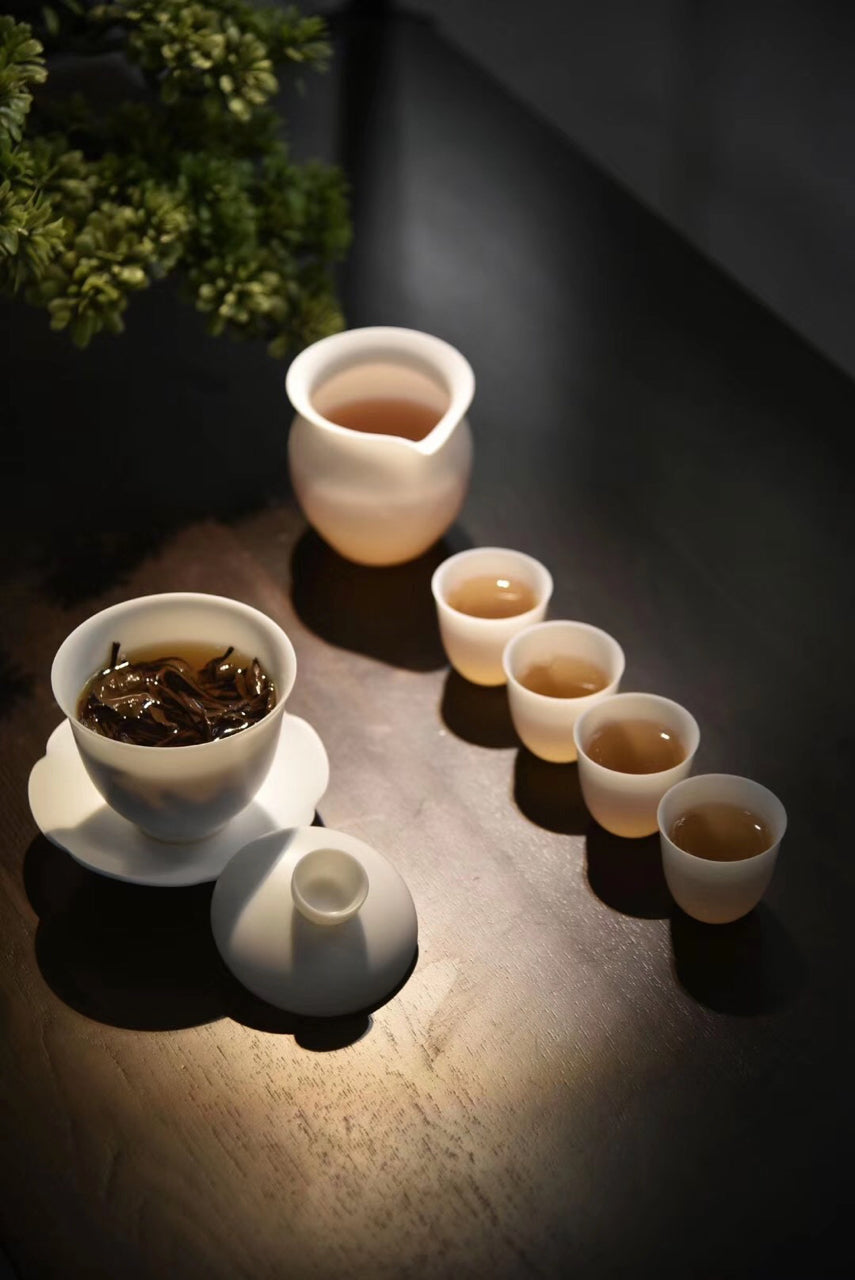
Exhibition archive · V&A South Kensington, London · concluded in 2020. This is a reading of the museum’s published record, not a report of a Taiwu exhibition or a first-hand visit.
The V&A display Blanc de Chine, a Continuous Conversation brought historic Dehua porcelain into dialogue with contemporary making. The museum’s extended-event listing records a presentation from 6 August to 18 October 2020. It named Babs Haenen, Lucille Lewin, Liang Wanying, Jeffry Mitchell, Su Xianzhong and Peter Ting among the contemporary makers.
For a gallery concerned with living craft, the title offers a useful idea. A material’s past need not be presented as a closed chapter. Old objects can remain part of a conversation with artists who approach form, function and making from different directions.
A place of production, not one fixed style
The museum’s background essay situates blanc de Chine in Dehua, Fujian, and describes a range of wares and uses. It also presents Dehua as an active centre for artists and designers. That breadth matters: a white vessel, a religious figure and an experimental sculpture can share a place of production without making the same artistic statement.
The same essay discusses Su Xianzhong’s family connection to the ceramic tradition and his experimental porcelain sculpture. Peter Ting’s work provides another approach, drawing on familiar elements of blanc de Chine while exploring the boundary between practical objects and art. These examples make continuity visible through difference, rather than through identical forms.
How to continue the conversation
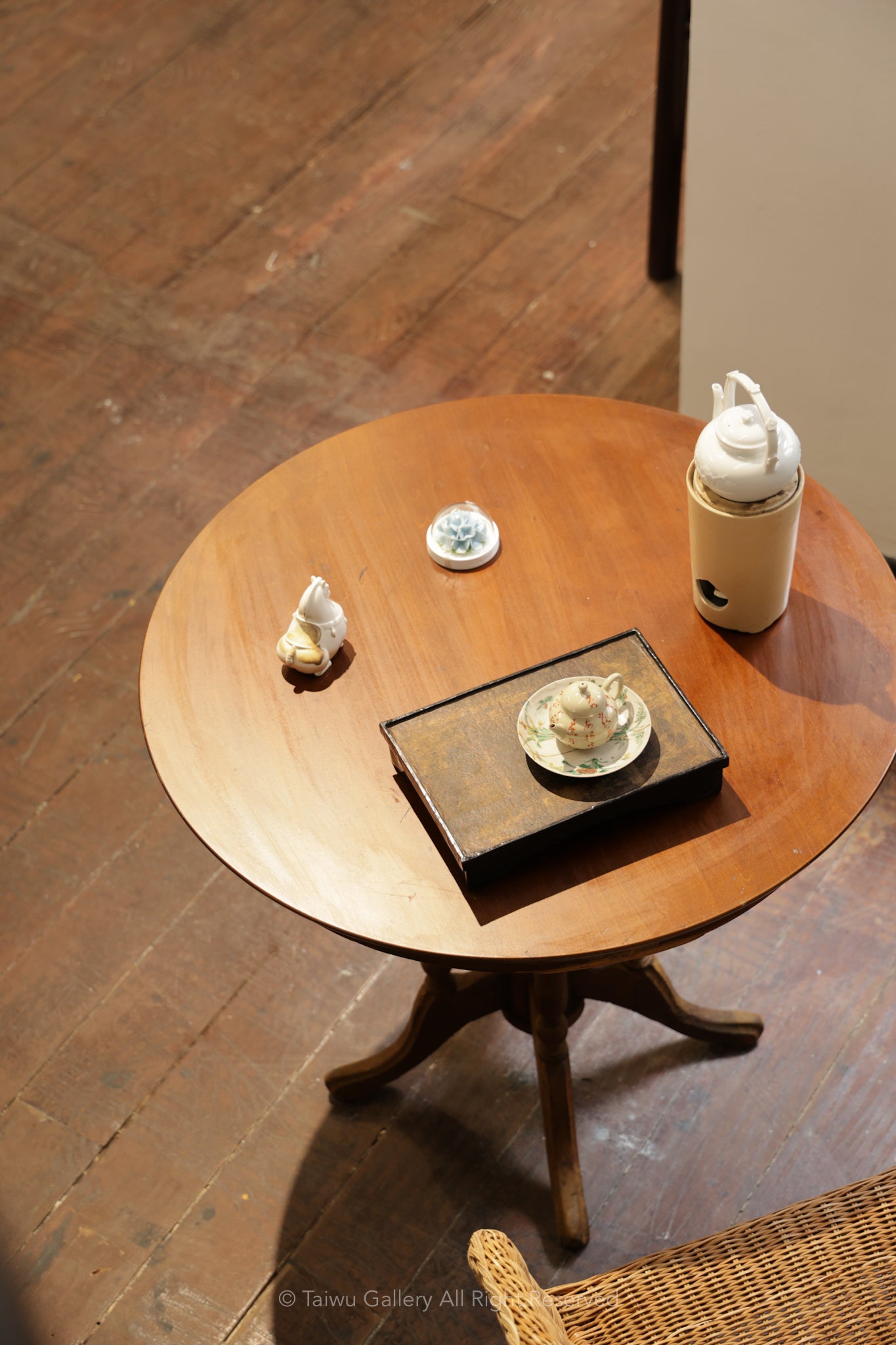
When looking at white porcelain, try asking three questions. What does the silhouette make you notice first? Where does light reveal a change in thickness or surface? Does the object suggest use, contemplation, or an uncertain space between the two?
These questions do not require every object to be explained by a long chronology. They create a way into close looking, while leaving room for the maker’s own decisions and for reliable historical research. Familiar material can hold unfamiliar forms.
From Singapore, we can revisit an overseas display through its record without pretending that the display is still open. We can also acknowledge the limits of that record: photographs and short texts cannot reproduce the experience of moving around a sculpture or seeing porcelain under changing light.
Read the V&A’s archived display listing and its background essay on blanc de Chine. The images on this page are from Taiwu and Best Ceramics, not V&A exhibition photography.